SHARE in Europe
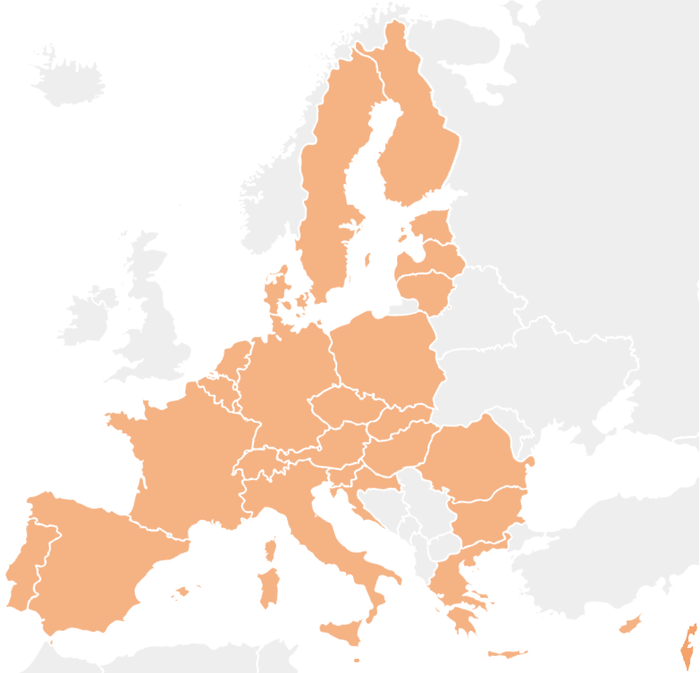
SHARE covers almost all European Union countries, from Scandinavia to the Mediterranean, along with some non-EU countries. The harmonised methodology makes the data collected fully comparable across countries, allowing the study of European population ageing in all its complexity.
SHARE currently covers the following countries: Austria, Belgium, Bulgaria, Croatia, Cyprus, Czech Republic, Denmark, Estonia, Finland, France, Germany, Greece, Hungary, Israel, Italy, Latvia, Lithuania, Luxembourg, Malta, Netherlands, Poland, Portugal, Romania, Slovakia, Slovenia, Spain, Sweden and Switzerland.
What is SHARE?
(Survey of Health, Ageing and Retirement in Europe) is the European research infrastructure that studies ageing, health and living conditions of people aged 50 or over, following the same participants over time in dozens of countries.
SHARE follows the same participants over time, making it possible to observe how health, economic conditions and quality of life evolve during the ageing process.
Data are collected with harmonised methodologies in the participating countries, allowing reliable comparisons across different social, economic and health contexts.
SHARE is part of the international network of the main longitudinal surveys on ageing, fostering comparative analyses on a worldwide scale.
SHARE data are used by thousands of researchers and contribute to the development of evidence-based public policies.

Every interview helps increase knowledge about population ageing and the living conditions of people aged 50 or over. The information collected, handled in full compliance with personal data protection legislation and used exclusively for scientific purposes, helps researchers and policymakers understand social change and design more effective policies in the fields of health, welfare, work and pensions.
The participation of each selected person is precious: only thanks to respondents’ willingness is it possible to follow the evolution of living conditions over time and build reliable data for the benefit of scientific research and the community.
Information materials

Thanks to the participation of thousands of citizens across Europe, SHARE helps to understand social change and to build useful knowledge to improve policies dedicated to ageing.